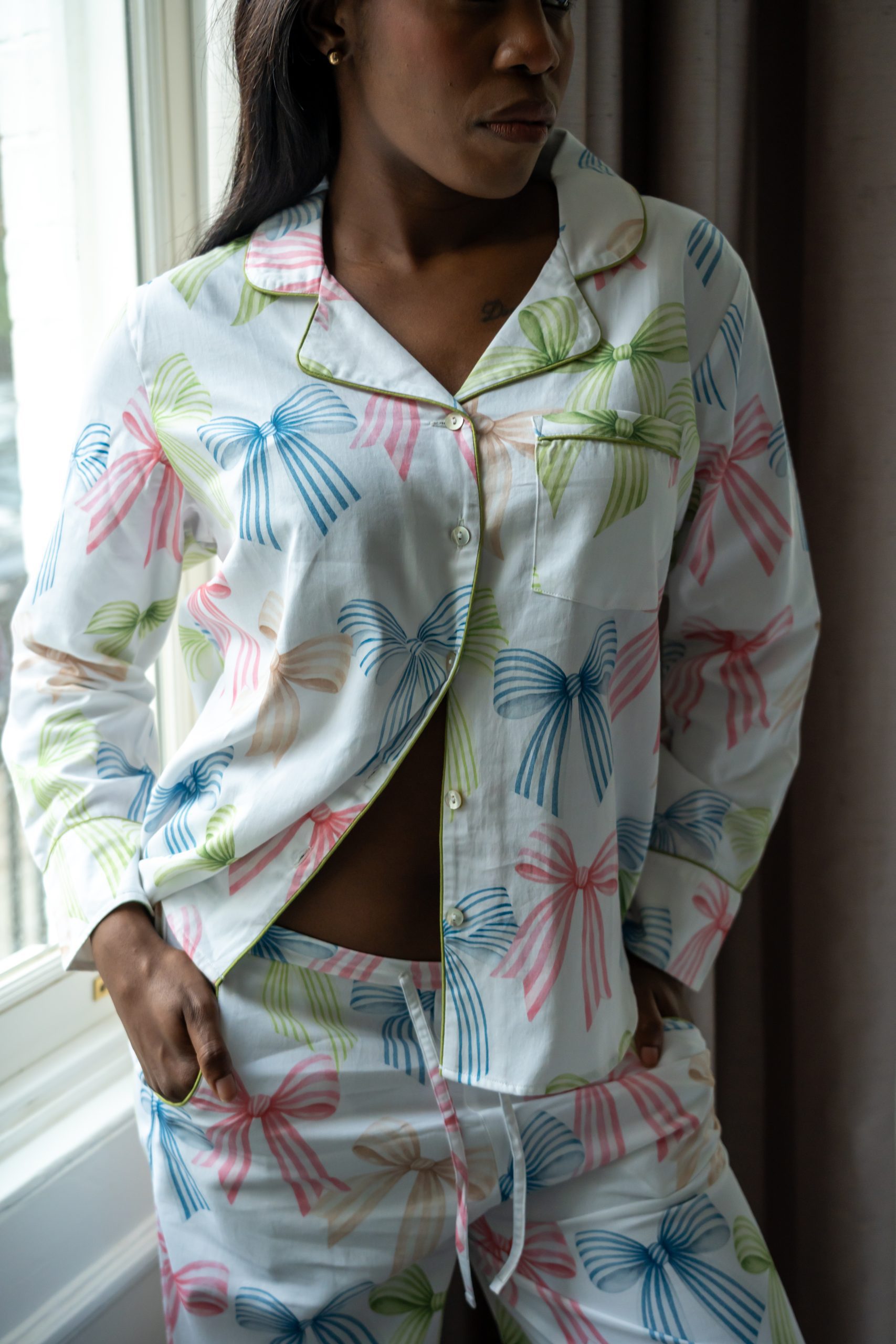
Organic cotton appears on a great many labels now, and the word has been worn thin by use. It is worth setting out what it actually means, what it does not mean, and why we chose it.
What makes cotton organic?
Organic cotton is grown from non-genetically-modified seed, without synthetic pesticides or synthetic fertilisers. Soil fertility is maintained through crop rotation, composting and cover crops rather than chemical inputs. Pests are managed through natural predators and careful timing rather than routine spraying.
It is a farming method rather than a quality of the fibre itself. Organic cotton is not automatically softer or stronger than conventional cotton. What differs is how it was grown, and what that means for the soil, the water table, and the people working the fields.
What the certifications actually cover?
This is where most confusion lives, and where a great deal of vague marketing hides.
GOTS, the Global Organic Textile Standard, is the one that matters most. It covers the whole chain, not just the farm. To carry it, a garment must contain at least 95 per cent certified organic fibres, and every stage after harvest is also governed: the dyes and finishes used, the wastewater treatment, and a set of social criteria covering working conditions and pay. A product labelled “made with organic materials” under GOTS needs at least 70 per cent.
[Transaction Certificate Number 26-1011087 for products certified to Global Organic Textile Standard (GOTS)]
The claims we are not going to make?
Organic cotton is frequently described as using dramatically less water than conventional cotton. The picture is more complicated. Much organic cotton is grown on rain-fed land, which makes the comparison partly a question of where it is grown rather than how. Yields per acre also tend to be lower, so more land is needed for the same quantity of fibre.
The honest position is that organic cotton is better in some respects and more demanding in others. Removing synthetic pesticides and fertilisers from the soil and the surrounding water is a real and measurable good. It does not make a garment weightless in its effects, and any brand telling you otherwise is selling you comfort rather than cotton.
Organic cotton is still a very small share of the world’s cotton, somewhere around one per cent. That is the more useful fact. It remains a minority choice, more expensive to source and slower to produce, which is precisely why so few things are made from it.
Why we chose it anyway?
Sleepwear is worn against bare skin for roughly a third of every day, more than almost anything else in a wardrobe. If there is one category where it is worth knowing what has been on the fibre and what has been done to it in finishing, it is this one.
Organic cotton also behaves well over time. It takes a long-staple structure to a soft hand without heavy chemical finishing, which means the softness is in the fibre rather than applied to the surface. Applied softness washes out within a few cycles. Structural softness improves.
That is the practical case, and it is the one we would make even setting the farming aside. A piece you own for six years and wear weekly is a better outcome, by every measure including the environmental one, than three pieces you own for two years each.
How to read a label?
Four questions will tell you most of what you need to know about any garment claiming to be organic:
- Which standard is it certified to, by name
- What is the licence or certificate number
- What percentage of the fibre is organic
- Where was it made
A brand that can answer all four quickly is worth trusting. A brand that answers with adjectives is not.