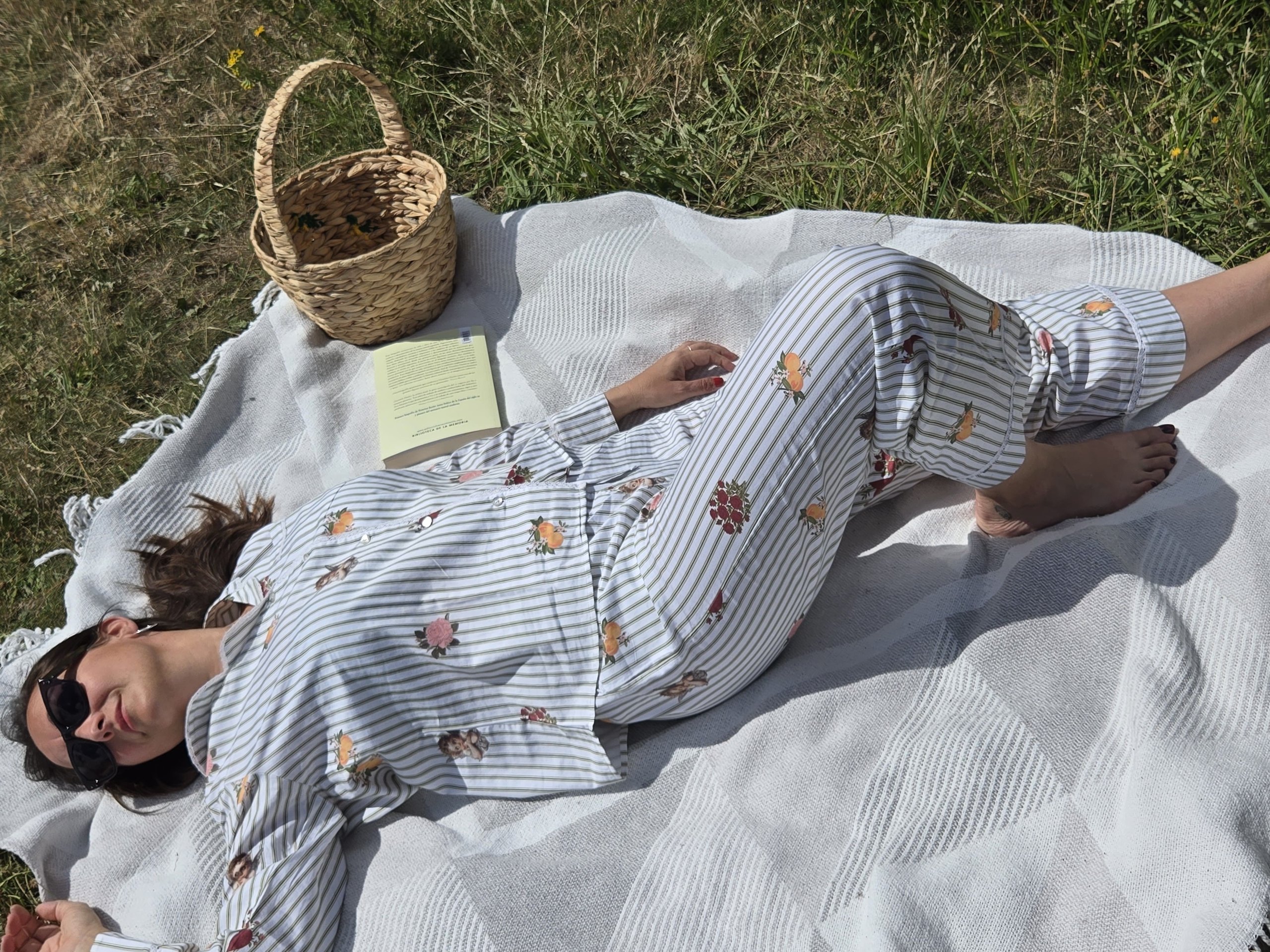
Rest has been quietly reclassified. It used to be the thing you did between periods of work. Now it is something you optimise, track, and feel behind on. There are apps to score it and articles explaining how to do it correctly, which rather misses the point.
What follows is an argument that doing nothing is a skill, that most of us have lost it, and that it can be recovered.
Rest is not the absence of work
The evening spent scrolling is not rest. Neither is the boxset watched while answering messages, nor the walk taken with a podcast running. These are all substitutions: replacing one form of input with a slightly gentler one.
Genuine rest has a quality of emptiness to it. Nothing arrives. Nothing is being processed. This is uncomfortable at first, and the discomfort is precisely why we avoid it, filling every gap with something rather than sitting in the gap itself.
The test is simple. If you would struggle to sit in a chair for fifteen minutes with no screen, no book and no music, then what you have been calling rest has been doing something else.
Why it feels like failure?
Most of us carry an internal ledger in which time is either productive or wasted. Doing nothing falls firmly into the second column, and so it comes with a low hum of guilt that makes it hard to sustain.
The ledger is wrong, but arguing with it directly rarely works. What works better is noticing that the things you value most were probably not produced by effort at the moment they arrived. The solution that came in the shower. The decision that clarified itself on a walk. The realisation that a situation was not worth the worry. None of these were worked out. They surfaced, in a gap, because there was a gap.
Idleness is not the opposite of thinking. It is the condition under which certain kinds of thinking become possible.
The practice, such as it is
There is no method, which is the difficulty. But there are a few things that make it easier.
Give it a container. Twenty minutes, with an end. Open-ended nothing is hard to enter because there is no point at which you are allowed to leave.
Choose a place that is not for work. Not the desk. Ideally not the room where the laptop lives. The body takes cues from where it is.
Let the discomfort arrive. The first few minutes will produce a strong urge to check something. This is not a sign it is not working. It is the withdrawal, and it passes at around the seven or eight minute mark if you let it.
Do not set an intention. The moment you decide to use the time to think through a problem, it has become work with the lights dimmed.
Dress for it. This sounds trivial and is not. Bodies take instruction from clothes. Clothing that belongs to rest, that has no meeting attached to it and no expectation of being seen, gives permission that a jumper worn since seven in the morning does not.
Where the evening comes in?
The most available hour for this is the one nobody defends. Between finishing and sleeping there is usually a stretch that gets spent by default rather than by decision, and it is the easiest to reclaim because nothing else has a claim on it.
You do not need the whole evening. Fifteen minutes at the start of it, before the television goes on, is enough to change the character of what follows. The evening stops being the tail of the working day and becomes something separate.
A discipline, honestly
Calling rest a discipline sounds like a contradiction, and it is a slightly awkward phrase. But discipline is the right word, because it takes deliberate effort to do something that produces nothing, in a life organised around producing things.
Nobody arrives at it naturally. It is practised, badly at first, and it gets easier. And the reward is not that you become more productive afterwards, although you may. The reward is that some part of your week belongs to no one, which turns out to be a thing worth having.